By Forward Digital
How to Get Your Music on Spotify Playlists in 2026
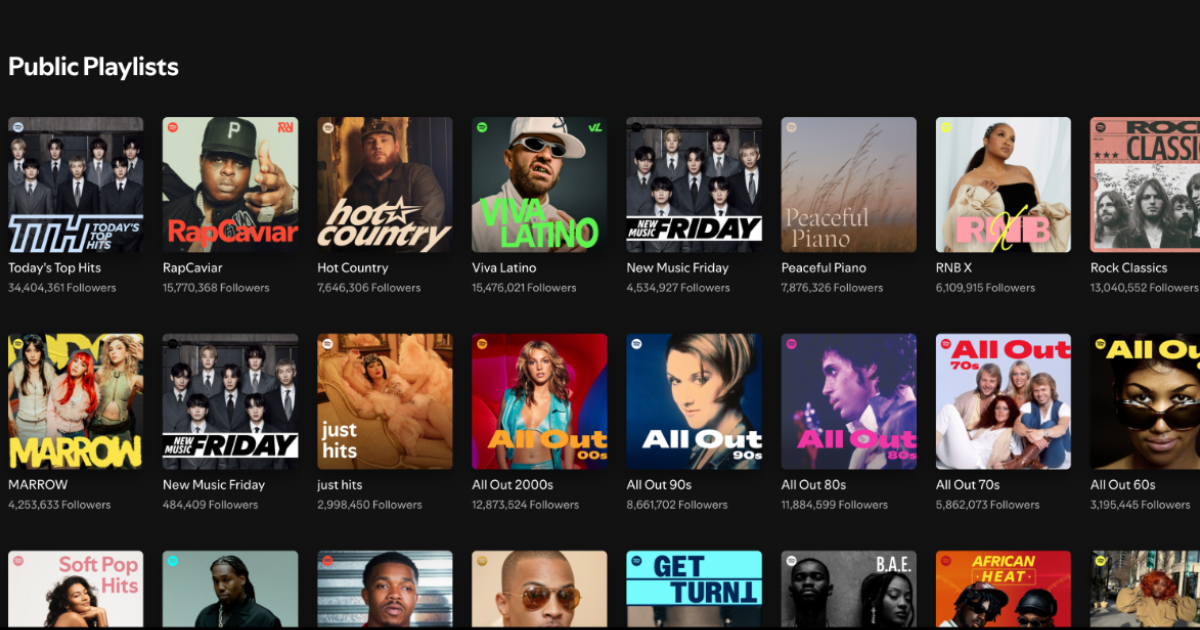
Spotify playlists are one of the most powerful distribution channels in the music industry. A single placement on a major editorial playlist like RapCaviar, All New Indie, or Brain Food can add hundreds of thousands of streams overnight, trigger Spotify's algorithmic recommendations, and permanently elevate an artist's streaming baseline. In 2026, Spotify hosts over 4 billion playlists and has 675 million users. Understanding how to get your music placed on the right playlists is no longer optional for independent labels and artists , it is a core distribution strategy.
The Three Types of Spotify Playlists
Before pitching, you must understand what you are pitching to. Editorial playlists are curated by Spotify's internal team of 250+ music editors across global markets. These include genre-defining playlists like Hot Hits UK, Viva Latino, and Deep Focus. Landing on an editorial list generates the highest volume of streams and credibility signals. Algorithmic playlists are generated automatically by Spotify's machine learning models specifically for each listener. Discover Weekly (released Mondays), Release Radar (released Fridays), and Daily Mixes all fall into this category. You cannot pitch to these , the algorithm places your music based on listener behavior signals. The better your save rate, listener-to-stream ratio, and playlist add rate on editorial and user playlists, the more aggressively the algorithm pushes your track. User-generated playlists are playlists created by Spotify users and independent curators. There are billions of these covering every microgenre and mood imaginable. They are reachable directly via outreach campaigns and third-party pitching platforms.
Pitching to Spotify Editorial: The Official Process
Spotify's editorial pitch is the single most valuable free marketing tool available to independent artists. Here is the exact process. First, verify your artist profile at artists.spotify.com. Your distributor can assist with verification. Second, upload your track through your distributor at least seven days before the release date. Spotify requires the track to be delivered and live in their system before you can pitch. Third, open Spotify for Artists and navigate to Music, then Upcoming. Any unreleased track that has been submitted will appear here. Fourth, click Pitch a Song. You will complete a detailed pitch form covering: the primary genre and sub-genre, the mood and theme of the track, the instrumentation used, any cultural context, and a message to the editorial team (up to 500 characters). Use this message field strategically. Do not write generic praise. Mention specific context: the story behind the track, the live momentum, a notable sync placement, or the reaction from a preview audience. Fifth, submit and wait. Editorial decisions are typically communicated within one to two weeks. You will not receive a rejection notice , if the track is not selected, you simply will not hear back.
What Spotify Editors Actually Look For
Spotify editors review hundreds of pitches daily. Understanding their selection criteria is the difference between a successful pitch and an ignored one. Complete metadata is non-negotiable. A track with missing BPM, key, ISRC, or genre tags signals an amateurish release. Complete every field in your distributor's upload form. Your artist profile must look professional. A complete Spotify for Artists profile with a bio, artist photo, and verified checkmark signals legitimacy. Prior momentum matters. Editors check your streaming history. A track gaining organic playlist adds, strong save rates (industry benchmark: 20 to 25% save rate indicates strong listener resonance), and growing follower counts is far more likely to be selected than a debut track with no history. Timing is critical. Pitch new music, not catalog tracks. Editors prioritize unreleased tracks because they can build momentum from day one of release. Friday releases align with Release Radar, which drops every Friday. Playlist fit is essential. Submit to the editorial playlists that genuinely match your sound. Submitting electronic music to hip-hop focused playlists is an instant rejection.
Optimizing for Algorithmic Playlists
Discover Weekly and Release Radar are responsible for billions of streams each week. You cannot pitch to them, but you can engineer the signals that feed them. Save rate is the most important metric. When a listener saves your track to their own library, Spotify's algorithm registers strong intent. Industry data shows that tracks with a 20% or higher save rate are significantly more likely to appear in Discover Weekly. Encourage saves in every communication: social posts, email newsletters, and live shows. Skip rate is equally important in the negative direction. If listeners skip your track in the first 30 seconds, the algorithm interprets this as poor fit and deprioritizes it. Invest in strong intros. Many producers now front-load the hook in the first 15 seconds specifically to prevent skips. Playlist adds by users are a strong signal. When real users add your track to their personal playlists, Spotify counts this as a behavioral endorsement. Complete listening is tracked. Songs played all the way through generate better algorithmic signals than songs abandoned halfway. Pre-save campaigns drive Release Radar placements. When fans pre-save your upcoming release, Spotify places it in their Release Radar the Friday it drops, multiplying your first-week streams.
Independent Curator Outreach: The Right Way
Spotify's 4 billion user-generated playlists represent a massive organic network. Reaching the right curators requires research, personalization, and patience. Find relevant curators using Spotify itself. Search for keywords that describe your music and filter by playlists. Look for curators with 1,000 to 50,000 followers. These mid-tier playlists are reachable and generate meaningful streams. Mega-lists with millions of followers rarely accept cold submissions. Look up the curator's contact information in their playlist description. If there is no contact, search the curator's username on social media. Personalize every outreach message. Reference the specific playlist by name. Explain in two sentences why your track fits. Include the Spotify link. Keep the message under 150 words. Follow up once after one week if you received no response. Never spam the same curator with multiple tracks. Avoid playlist placement services that guarantee placements. Paid placements that promise guaranteed adds without editorial review violate Spotify's terms of service and can result in track removal or account suspension. Organic placements from genuine curators are always more valuable for algorithmic signals than purchased ones.
Playlist Pitching Platforms Worth Using in 2026
Several legitimate platforms connect artists with independent curators at scale. SubmitHub allows artists to submit tracks to playlists, blogs, and radio stations. Credits cost approximately $0.50 to $1 per submission and curators must respond with feedback. Accepted tracks are added to the playlist. Groover operates on a similar model with an emphasis on European curators and press contacts. PlaylistPush connects artists with vetted curators across Spotify, Apple Music, and TikTok. Pricing is campaign-based. Musicboard is a community-driven platform where curators rate and discover music. MatchTunes focuses on algorithmic matching between tracks and playlists based on audio fingerprinting and genre data. The key principle for all platforms: only use services that provide real curator feedback and do not guarantee placements. Genuine curator placements from engaged listeners generate authentic save rates and streaming behavior that feeds the algorithm. Fake placements from playlist-stuffing services generate streams from passive or bot listeners that hurt your algorithmic signals more than they help.
Release Strategy That Maximizes Playlist Placement
The decisions you make before releasing a track significantly affect your chances of playlist placement. Release on Fridays. Spotify's new music cycle runs Friday to Thursday. Editorial playlists update on Fridays. A Friday release gives you the maximum window for editorial consideration before the cycle resets. Distribute at least four weeks before release date. Your distributor needs time to process the track, and Spotify for Artists needs it live to accept your pitch. Seven days is the minimum; four weeks is optimal. Pre-save campaigns build momentum. Use your distributor's pre-save functionality to collect pre-saves. When fans pre-save, they automatically receive the track in their Release Radar on release day. Aim to have at least 500 pre-saves before the release date. Pre-release singles signal commitment. Releasing one or two singles before the main release builds streaming history and editorial awareness. Editors notice artists with consistent release patterns. The first 48 hours after release are critical. Plan your social media, email, and advertising spend to concentrate within this window to maximize streams and saves when they have the most impact on algorithmic signals.
Optimizing Your Spotify for Artists Profile
Your Spotify for Artists profile is your identity to both editors and algorithms. Complete your artist bio with specific, factual language. Avoid generic phrases like 'boundary-pushing artist' or 'unique sound.' Include real milestones: cities you have toured, notable releases, collaborations, or press coverage. Use between 150 and 300 words. Upload a high-quality artist photo at minimum 2400 x 2400 pixels. Use the artist pick feature to highlight your latest release. Enable Spotify Concerts if you perform live. Verified shows appear on your profile and demonstrate professional activity. Use the Canvas feature for visual engagement. A 3 to 8 second looping video that plays behind your track in the Spotify mobile app consistently increases saves and shares by 5 to 10% according to Spotify's own data. Ensure your discography is clean: remove duplicate uploads, verify ISRC codes are unique per recording, and confirm all release dates are accurate.
How Forward Digital Supports Playlist Strategy
Forward Digital's distribution platform is designed around the systems that actually move the needle for independent labels and artists in 2026. When you distribute through Forward Digital, your releases are delivered to Spotify with complete metadata optimized for editorial consideration: genre tagging, mood classification, BPM and key signatures, ISRC registration, and complete credits. The platform surfaces pre-save campaign tools within your release workflow so you can build pre-release momentum without third-party services. Spotify for Artists pitch data is tracked alongside your streaming analytics so you can see the direct relationship between editorial placements and algorithmic growth. For labels managing multiple artists, Forward Digital's catalog management system allows coordinated release scheduling across the full roster, ensuring releases are timed to maximize playlist consideration windows and avoid internal competition.
Frequently Asked Questions
How long does it take to get on a Spotify editorial playlist? You will know within one to two weeks of submitting your pitch if the track is selected. Spotify does not notify artists of rejections. Can I pitch catalog tracks to Spotify? Yes, but Spotify editors strongly prioritize unreleased tracks. What is a good save rate on Spotify? A save rate of 20% or higher indicates strong listener-to-fan conversion. Anything above 30% is exceptional. Below 10% suggests the track is reaching the wrong audience. Does paying for streams hurt my algorithmic performance? Yes. Streams from bot services or passive playlist stuffing generate zero save rate and high skip rates. Spotify's fraud detection actively removes such streams. Artists caught using stream manipulation risk permanent removal from the platform. Should I release many singles or focus on albums? For Spotify playlist strategy in 2026, releasing consistent singles every four to six weeks generates more editorial touchpoints and keeps your algorithmic momentum active. Full albums provide credibility and catalog depth but generate fewer ongoing editorial opportunities per year. A hybrid approach of singles leading to an album is optimal. What is the difference between Release Radar and Discover Weekly? Release Radar is personalized per listener and delivers new releases from artists they follow, updated every Friday. Discover Weekly delivers 30-track algorithmic recommendations based on listening behavior, updated every Monday. Pre-saves affect Release Radar. Consistent streaming history and saves affect Discover Weekly.
spotify playlistsmusic promotionplaylist pitchingspotify editorialrelease radardiscover weekly
Looking for a music distributor?
Forward Digital offers everything you need in one place. From music distribution and catalog management to royalty reporting and artist promotion, our platform helps independent record labels grow their business worldwide.